
ALTA Survey Requirements 2021 on an Older Survey Report
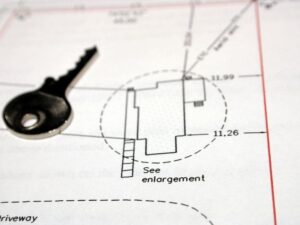 An older ALTA survey in the seller’s file can feel like a shortcut. It’s signed, sealed, and full of detail, and ordering a new one takes time and money. Whether it still works depends on which standards it followed, when it was certified, what has changed on the site, and what your lender and title company now expect. Reviewing those points against the ALTA survey requirements 2021 and any later standards your lender names tells you quickly whether to update, recertify, or start fresh.
This guide is for commercial buyers, owners, and borrowers holding an existing survey, with lenders and title staff in mind. It walks through what to check and when a new survey makes sense. Acceptance rules vary by lender, title company, and transaction, so confirm requirements before relying on an older drawing.
Identifying Which ALTA Standards Govern the Existing Survey
The governing standards are usually stated in the surveyor’s certification. ALTA/NSPS surveys cite the version of the Minimum Standard Detail Requirements they followed, such as the 2016 or 2021 standards. That version controls what the survey was required to show.
The 2021 standards took effect on February 23, 2021, replacing the 2016 version. They refined several Table A items, including how underground utility information is requested, and clarified other requirements. ALTA and NSPS update the standards periodically, and a newer version has since been adopted, so a 2021 survey may itself be one version behind.
Check which version your lender’s instructions call for. Some lenders accept a survey prepared under a prior version if it’s otherwise current, while others want the latest standards. Ask early, because the answer can decide whether an update is even an option.
Reviewing the Certification Date and Survey Scope
The certification date and scope tell you how current the survey is and what it covered. Look for the date of the plat and the date of the last field work, which ALTA surveys typically show. Lenders and title companies often judge survey age by those dates.
The certification names the parties who can rely on the survey. If it names the seller and the seller’s lender, you and your lender aren’t covered. Surveyors can often recertify to new parties, sometimes after a site visit.
The certification also lists the Table A items the surveyor addressed. Compare that list with what your lender and title company want now. Missing items may be added through an update instead of a full new survey.
Checking Property Changes Since the Survey Was Completed
Property changes since the survey can make it inaccurate even if the paperwork looks fine. New buildings, additions, parking changes, fences, and utility work all affect what a current survey would show. A quick site walk with the drawing in hand can reveal obvious differences.
Some changes are easy to miss. Look for them both on the ground and in the records. Common examples include:
- Additions, canopies, or new outbuildings
- Restriped or expanded parking areas
- New fences, walls, or signs near property lines
- Utility work, new easements, or recorded agreements
- Road widening or right-of-way changes along the frontage
Older survey documents can also be useful when reviewing where a driveway meets the right-of-way, but the survey date and the standards used to prepare it should be checked before relying on that information for a current transaction.
Records can change even when the site looks the same. A new easement or recorded agreement may affect the property without leaving visible evidence. Compare the old survey’s exceptions with the current title commitment to catch these.
Comparing Older Survey Details With Current Transaction Needs
An older survey answered the questions of an older deal. Your transaction may need different details, a different title commitment, and different certification parties. Comparing the two sets of needs shows what’s missing.
Start with the title commitment. The old survey addressed the exceptions in the commitment used at that time, and the current commitment may list different items. Each new exception needs to be reviewed and, where possible, plotted.
Then compare uses and plans. If you plan to expand, redevelop, or refinance on different terms, you may need items the original buyer didn’t request, like utilities, elevations, or zoning setbacks. Talk with your lender, title agent, and design team before deciding.
When an Updated ALTA Survey May Be Required
An updated or new ALTA survey may be required when the old one is too old for your lender, names the wrong parties, follows standards your lender won’t accept, or no longer matches the site. Any one of these can trigger a request. Often, several apply at once.
An update usually means the surveyor revisits the site, reviews the current commitment, adds any new items, and recertifies to the new parties. When the original surveyor is available, an update is often faster than starting over. A different firm will generally need to perform a new survey, since surveyors typically certify only their own work.
Order early either way. Updates still take field time and records review, and complex sites take longer. Confirm requirements with your lender and title company before assuming the old survey will work.
Frequently Asked Questions
What changed in the 2021 ALTA survey requirements?
The 2021 standards replaced the 2016 version on February 23, 2021. They revised several Table A items, including how underground utility information is requested, and clarified other requirements. The changes affect what surveys must show and how certifications read. Ask your surveyor for a summary if you’re comparing an older survey.
Can an older ALTA survey be used for a new transaction?
Sometimes, if it’s recent, the site hasn’t changed, and the lender and title company accept it. It usually needs recertification to the new parties. Many lenders set their own limits on survey age. Confirm acceptance before you rely on it.
What is a survey recertification?
A recertification updates the certification to name new parties and, often, a new date. The surveyor may need to visit the site and review the current title commitment first. It’s usually done by the firm that prepared the original survey. Ask that surveyor whether it’s possible and what it would involve.
How old is too old for an ALTA survey?
No single rule applies across all lenders and title companies. Each sets its own requirements based on the deal and the property. Site changes can make even a fairly recent survey unusable. Check with both parties early in the deal.
Does a newer standards version make my survey invalid?
A survey prepared under an earlier version isn’t automatically invalid as a record of the property at that time. The question is whether it meets the requirements of your current transaction. Lenders and title companies decide that for their own purposes. Ask which version they’ll accept before ordering anything.
For a free land surveying quote, call us at (954) 737-7509 or send us a message by going here.
Posted in ALTA Surveying | Tagged ALTA Survey